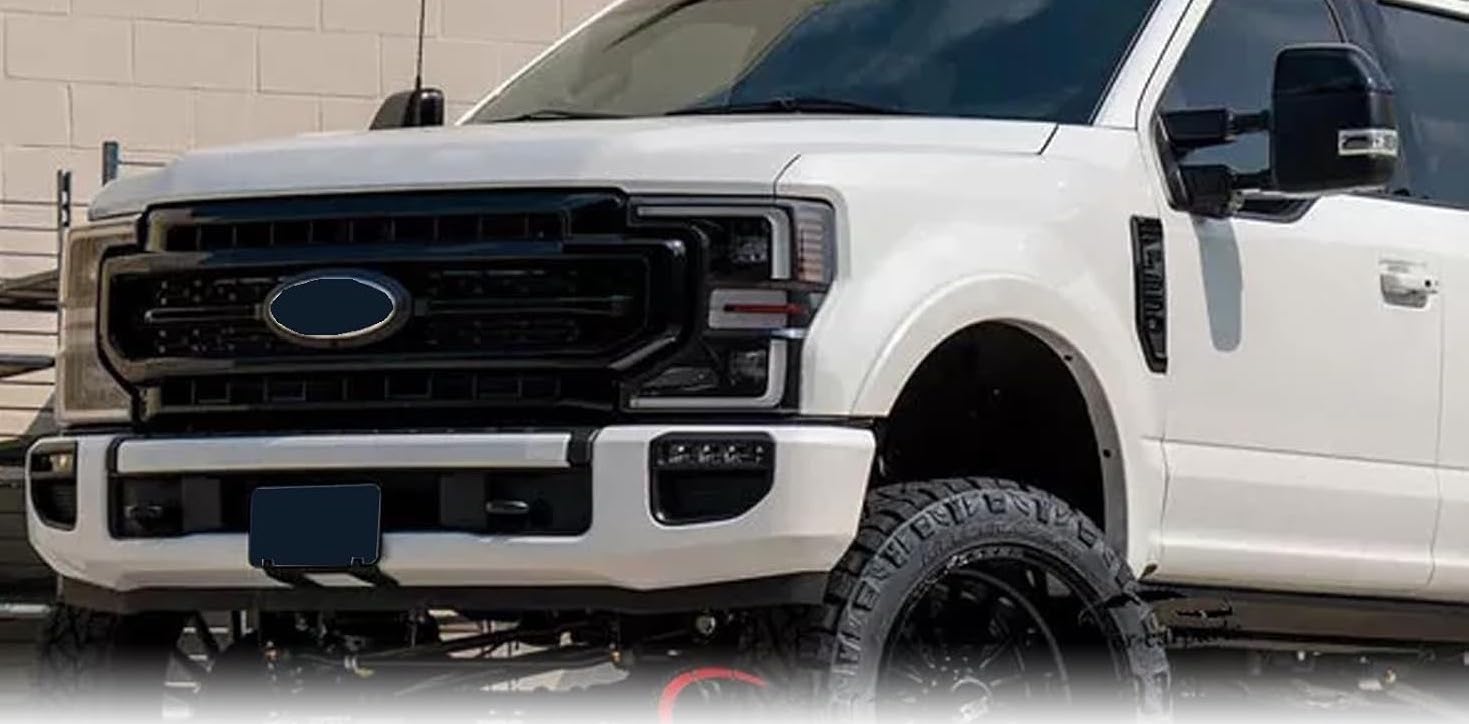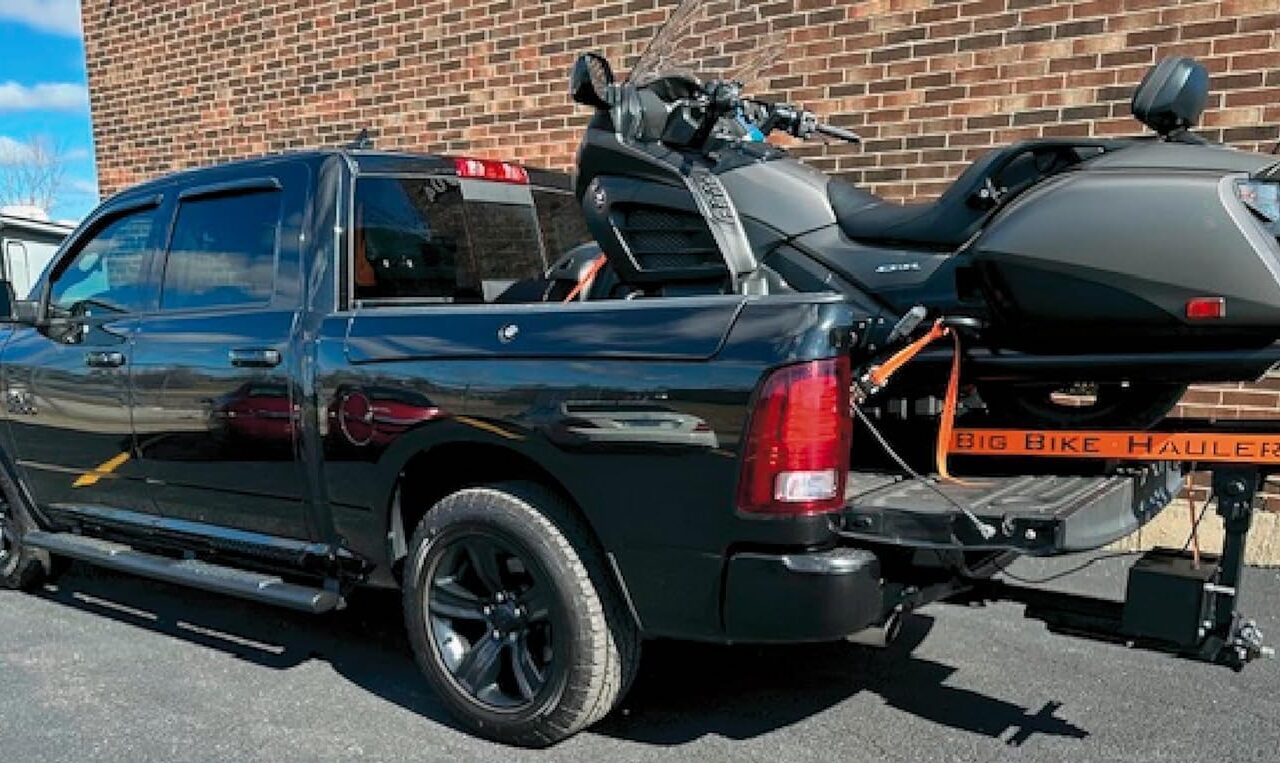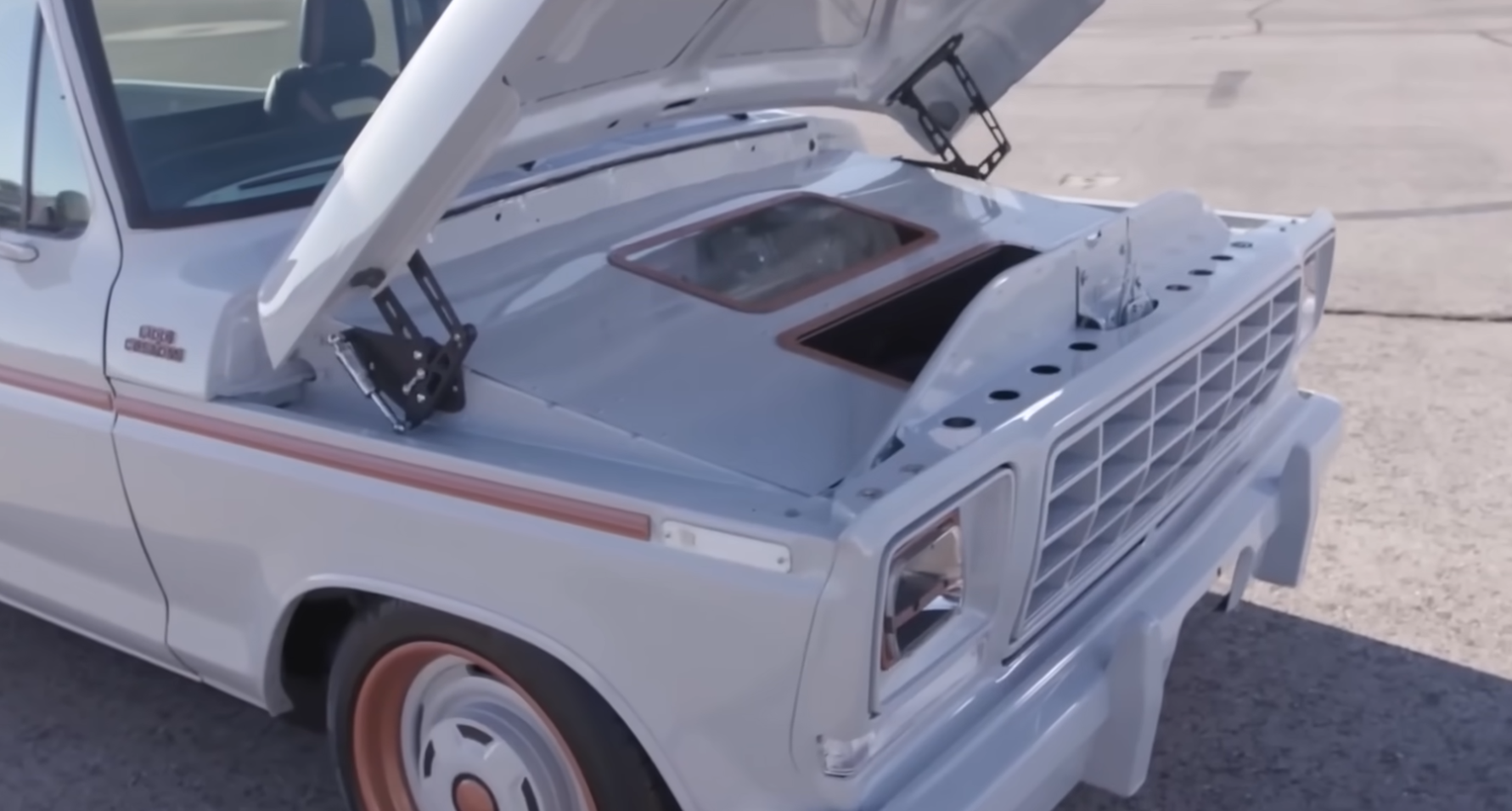
Truck EV conversions are systems projects, not a single-part upgrade. The motor, inverter, battery pack, charger, battery-management system, cooling, controls, mounts, brakes, and high-voltage safety equipment all need to work together. Start with the truck’s weight, chassis, intended range, payload, charging access, and local inspection requirements before buying parts.
Contents
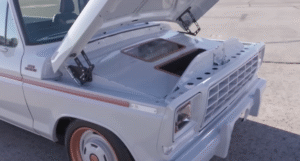
Start with truck EV-conversion fitment
Before choosing components, document the donor truck and the intended use. Record the chassis, curb weight, target payload, axle ratio, wheel and tire size, available mounting space, desired range, charging location, and whether the truck must pass inspection or emissions-related rules.
- Define the target range and typical daily energy use.
- Estimate the finished vehicle weight and remaining payload.
- Confirm motor, inverter, battery, charger, and control-system compatibility.
- Plan battery location, enclosure, cooling, service access, and crash protection.
- Check local registration, inspection, electrical, and high-voltage requirements.
A component can be electrically compatible but still be unsuitable because of weight, cooling, enclosure, control software, service access, or vehicle-balance limitations.
Truck EV-conversion parts comparison
| System | Primary job | Key buying criteria | Main project risk |
|---|---|---|---|
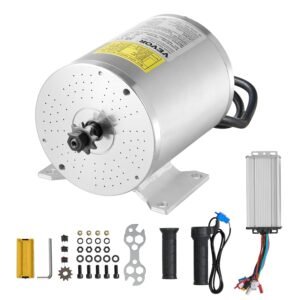
| Electric motor | Converts electrical energy into traction | Power, torque, voltage range, mounting, cooling, and duty cycle | Mismatch with vehicle weight, gearing, or cooling capacity |
| Inverter or motor controller | Controls motor speed and torque | Voltage, current, communication, programming, and protection features | Incompatibility with the motor, battery, or vehicle controls |
| Battery pack | Stores the vehicle’s usable energy | Usable kWh, voltage, mass, enclosure, thermal management, and safety | Excess weight, poor protection, or insufficient range |
| Battery-management system | Monitors cells and protects the pack | Cell chemistry, voltage range, balancing, sensors, and communication | Unsafe or unreliable operation when poorly integrated |
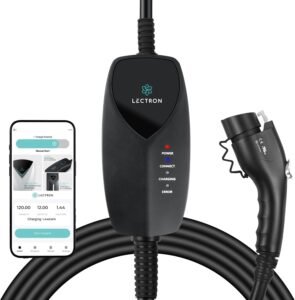
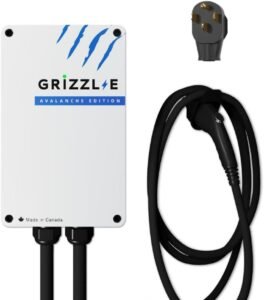
| Onboard charger | Converts AC power for battery charging | Input voltage, output power, connector, cooling, and charging controls | Charging limitations or incompatibility with the battery system |
| DC-DC converter | Supplies the low-voltage vehicle systems | Input range, output voltage, current capacity, and isolation | Low-voltage accessories or safety systems not operating correctly |
Compare the complete system cost, not the price of the most visible component. A lower-cost motor or battery can create additional expenses for controls, cooling, mounts, wiring, charging, fabrication, testing, and inspection.
How the main systems work together
Motor, inverter, and gearing
The motor and inverter must be matched by voltage, current, communication, cooling, and control strategy. The final gearing and tire size affect acceleration, efficiency, motor speed, and hill performance.
Battery, BMS, and high-voltage distribution
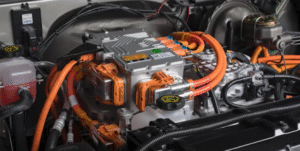
The battery pack is only one part of the high-voltage system. The battery-management system, contactors, fuses, service disconnect, precharge circuit, cabling, enclosure, and isolation monitoring must be designed as one controlled system.
Charging and low-voltage systems
Charging hardware should match the available electrical service and the vehicle’s charging requirements. A DC-DC converter is normally needed to support low-voltage lighting, controls, accessories, and other original vehicle systems.
Cooling and thermal management
Motors, inverters, batteries, and chargers may have different temperature limits. Plan coolant routing, pumps, radiators, sensors, and service access before finalizing component placement.
High-voltage safety and compliance
High-voltage conversion work can cause severe injury, fire, or equipment damage when handled incorrectly. Use qualified high-voltage technicians, documented lockout procedures, correctly rated protective equipment, insulated tools, appropriate fusing, and verified isolation before any service work.
Battery protection
Battery enclosures need secure mounting, impact protection, water management, ventilation or thermal control as required, service disconnects, and a design that protects occupants and emergency responders.
Brakes, steering, and suspension
The finished truck’s weight distribution and center of gravity can change. Recheck brakes, suspension, steering, axle loads, tire ratings, and load limits after the conversion.
Inspection and registration
Requirements vary by location and vehicle type. Confirm inspection, registration, electrical, insurance, and any emissions-related rules before purchasing expensive components or beginning fabrication.
Truck EV-conversion planning checklist
- Choose the donor truck and define the target range, payload, and duty cycle.
- Build a complete system diagram before ordering individual components.
- Confirm voltage, current, communication, cooling, mounting, and control compatibility.
- Budget for fabrication, wiring, fusing, charging, thermal management, testing, and inspection.
- Plan high-voltage service procedures and identify qualified installation support.
- Verify the final vehicle’s weight, axle loads, brakes, tires, and remaining payload.
- Keep documentation for every component, calibration, test, and safety inspection.
Frequently asked questions
What parts are needed for a truck EV conversion?
Typical systems include a motor, inverter or controller, battery pack, battery-management system, high-voltage distribution and protection, charger, DC-DC converter, cooling, mounts, wiring, controls, and safety equipment.
Can I combine parts from different EV conversion kits?
Sometimes, but compatibility must be verified across voltage, current, communication, cooling, control software, connectors, physical mounting, and safety systems. Mixing parts without a complete integration plan creates avoidable risk.
Does a larger battery always provide a better conversion?
No. A larger pack can increase range, but it also adds mass, cost, structural demands, charging time, and thermal-management requirements. The battery should match the intended range and payload.
Can a truck EV conversion be completed with plug-and-play parts?
Some systems reduce fabrication and integration work, but a complete conversion still requires vehicle-specific mounting, wiring, controls, safety testing, and compliance review.
Your next step
Start by documenting the donor truck, target range, payload, charging access, and local compliance requirements. Then build a complete system plan and verify every component against the same voltage, control, cooling, mounting, and safety requirements.
Use the Contents page to browse related truck-part guides, and use the Contact page to report an outdated fitment detail or broken product reference.
Bottom line: a successful truck EV conversion depends on system compatibility and high-voltage safety, not on selecting the most powerful individual component.
nn
Check current Amazon options
Compare current Amazon listings for truck EV conversion motors, batteries, chargers, and safety equipment. Verify exact fitment, compatibility, seller details, and return terms before buying.
Affiliate link placeholder: Add your Amazon affiliate link here. This section may contain affiliate links.
Need help choosing the right battery? Review our truck battery buying checklist before you order.